


KNX AND DALI
KNX and DALI are two of the most widely adopted building automation technologies
Efficiency Simplified

KNX and DALI are two of the most widely adopted building automation technologies in modern commercial and high-end residential installations, offering a powerful combination of flexibility, efficiency, and control.

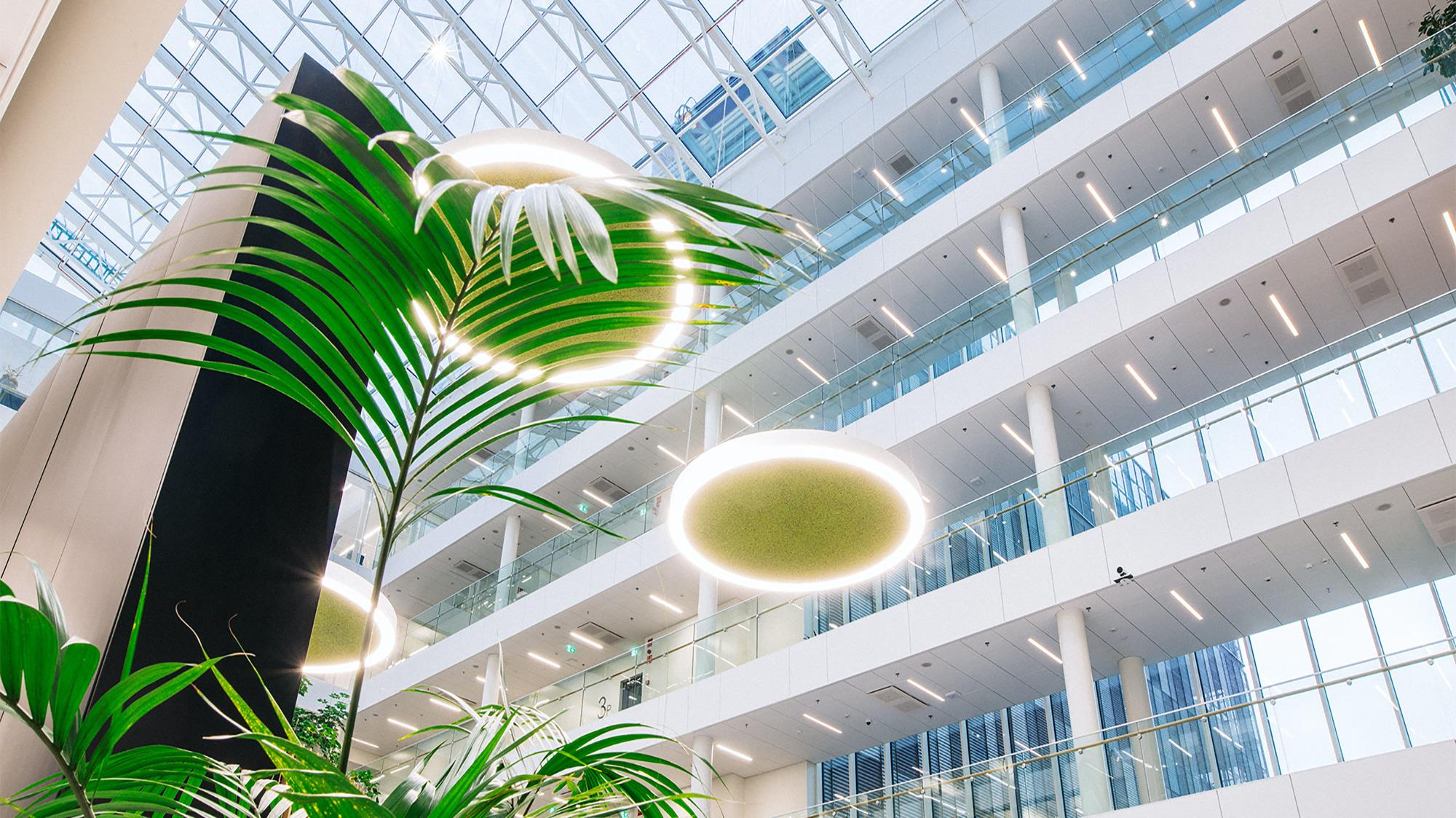
KNX is a global standard for building automation that enables different systems—such as lighting, heating, blinds, ventilation, and energy management—to communicate seamlessly over a common bus system. Its strength lies in its decentralised architecture, meaning devices can operate intelligently without relying on a central controller. This makes KNX highly reliable, scalable, and ideal for complex installations where long-term flexibility is important.
DALI (Digital Addressable Lighting Interface) is a dedicated lighting control protocol designed specifically for precise control of lighting systems. Unlike traditional switching or dimming methods, DALI allows each light fitting or driver to be individually addressed and controlled. This enables advanced lighting scenes, dynamic dimming, fault monitoring, and energy-efficient operation, all while simplifying wiring compared to conventional analogue systems.

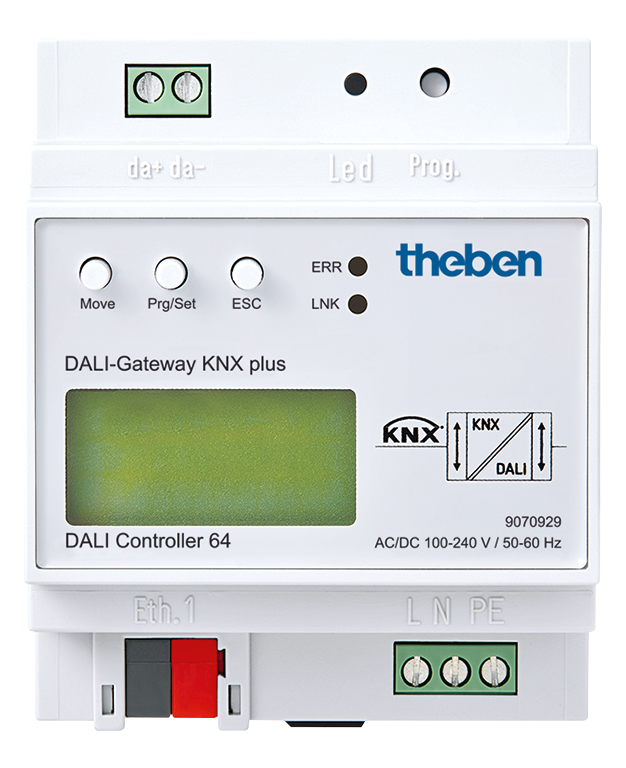
When KNX and DALI are integrated together, they form a highly efficient and intelligent lighting control solution. KNX acts as the overarching building management system, while DALI handles granular control of lighting circuits. This integration allows users to control lighting scenes, schedules, and energy usage from a single interface, while still benefiting from the fine-level control and diagnostics that DALI provides. The result is a system that is both powerful and intuitive for end users, while remaining robust and maintainable for building operators. Together, KNX and DALI are commonly used in offices, hotels, schools, and premium residential projects where energy efficiency, occupant comfort, and long-term adaptability are key priorities.